- The UTFR Monthly
- Posts
- Full Speed Ahead: Updates, Upgrades, and UTFR Progress
Full Speed Ahead: Updates, Upgrades, and UTFR Progress
UTFR monthly is the University of Toronto Formula Racing team's newsletter, giving you insight into our latest developments, achievements, and behind-the-scenes action.

Rohan Sadekar & Shirley Fan
March 09, 2026
Welcome back!
As midterm season comes to an end, UTFR is back in the shop and making incredible progress before the push toward finals begins. The team is in the workshop with renewed focus and ambitious goals for the upcoming months.
Excitement is building as the team sets its sights on the upcoming competition season. With key milestones being reached in the shop and systems steadily coming together, the focus pivots to preparing the car for the challenges ahead. There’s plenty of work to be done, but momentum continues to grow as the team pushes toward competition ready performance.
UTFR is ready for the months ahead if you are!
In this edition:
Fischer Motors Arrival
Chassis Out of the Jig
Powering up - Progress in Pack Build and LV Systems
Litens Partnership
Pit Lane Perspectives with Senior Mechanical Member Eric Chen
Let’s get started.
Motors Arrival
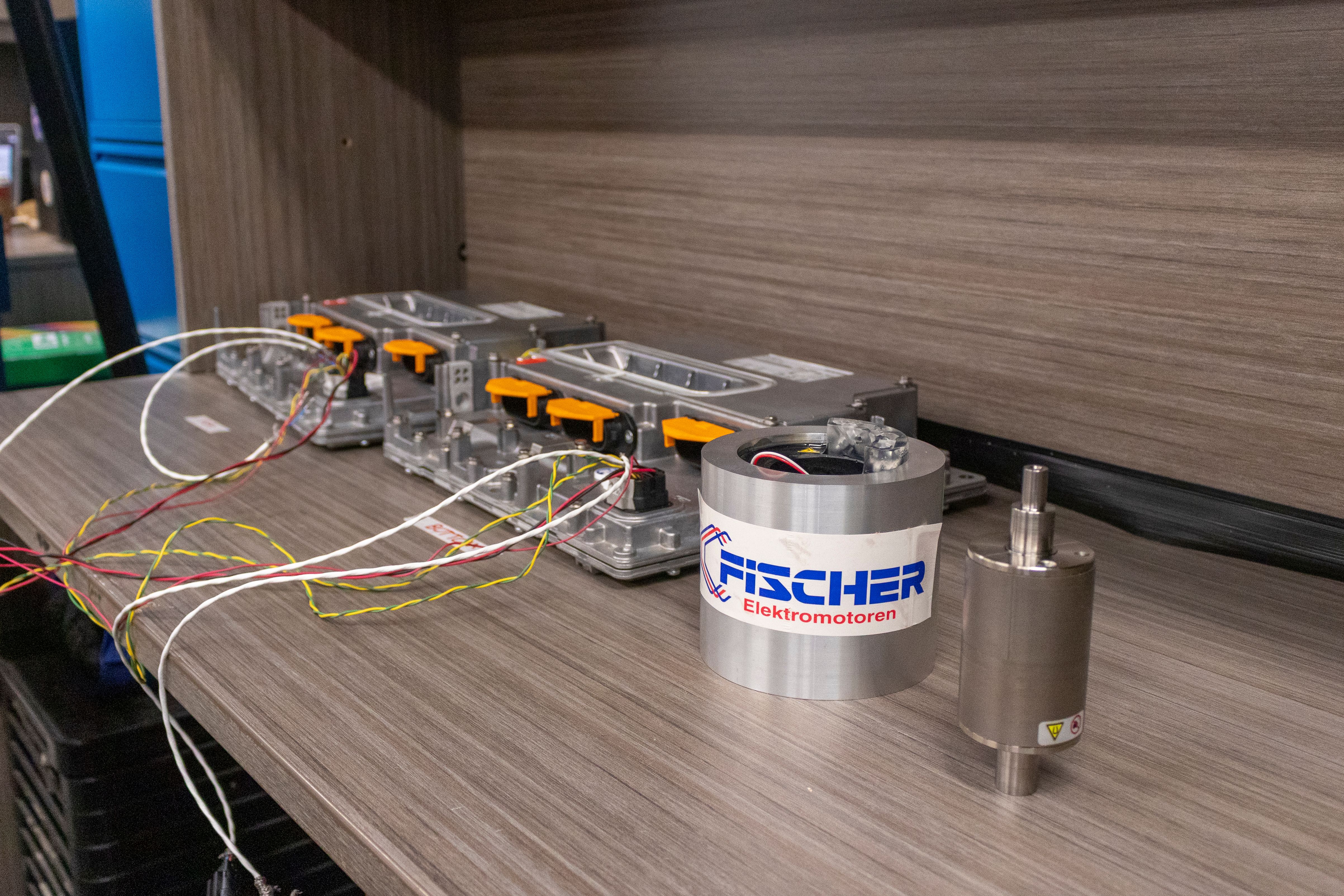
We’re thrilled to acknowledge Fischer Elektromotoren, a family owned and managed German electric motor manufacturer, for providing UTFR with high performance electric motors.
Their motors give our team a reliable and powerful foundation for vehicle development, allowing us to take the next step in our car’s evolution: shifting from a single motor, rear wheel drive setup to a fully four wheel drive system. This upgrade would not be possible without motors capable of handling the increased power demands, and we’re grateful for Fischer’s support in helping us push the limits on the track.
Chassis Out of the Jig
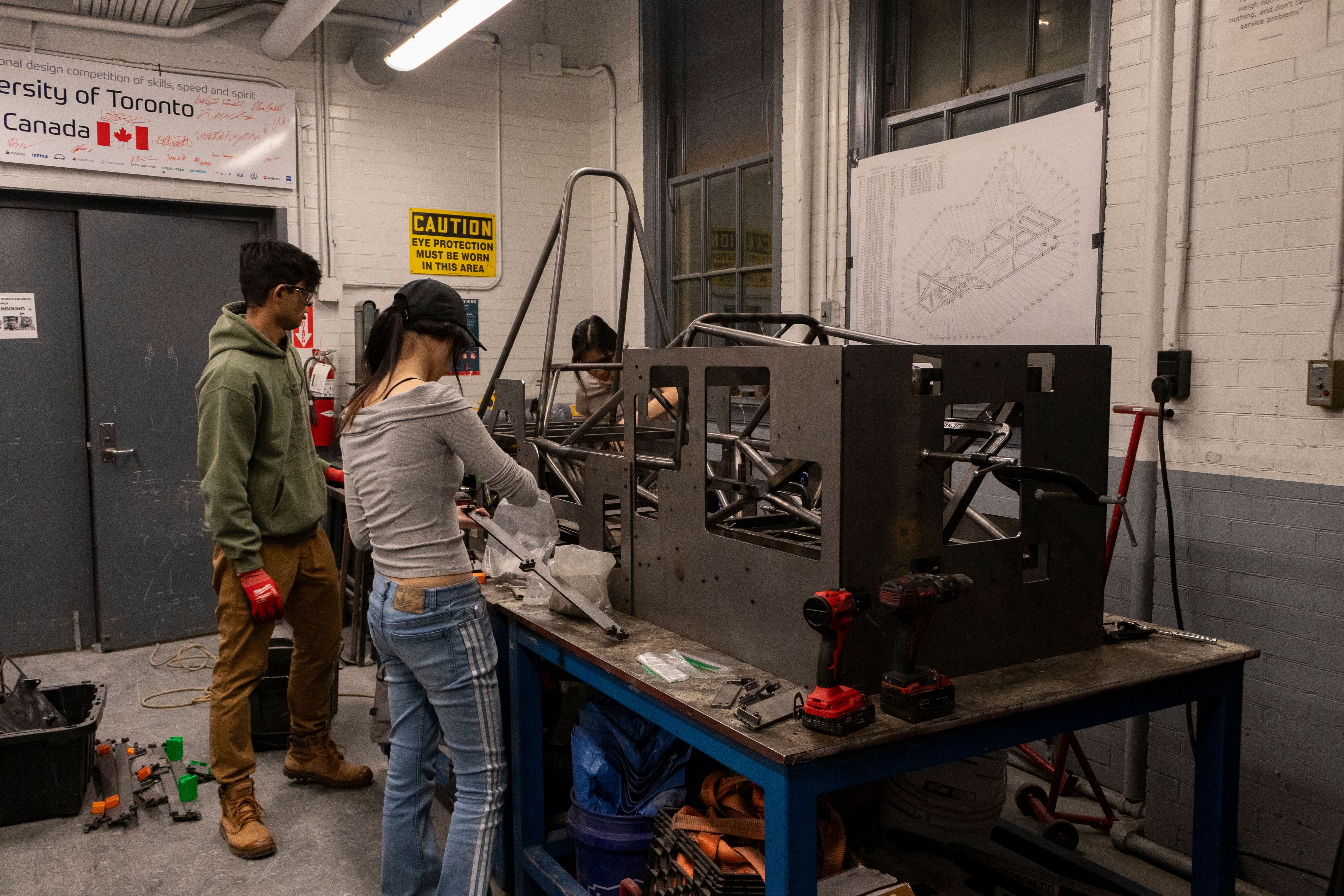
A major milestone in the UT26 build has been reached as the chassis has officially been removed from its jig. The jig is the custom build tool that held the frame in place while it was welded together. With the primary structure now complete, the team is moving into the next phase of chassis manufacturing, focusing on welding the remaining mounts and tabs that will support critical vehicle subsystems. This step represents a significant achievement not just for the mechanical team, but for the entire team as the car continues to take physical form. The welding process was made possible with the support of ESAB, whose equipment played a key role in bringing the chassis together. As manufacturing momentum continues to build, the vehicle is steadily progressing from design into reality.
Powering up - Progress in Pack Build and LV Systems
The team has reached another exciting milestone with the successful completion of UTFR’s first ever composite battery segment build, marking a major step forward in pack development. Thanks to Al Hull, composite testing is continuing in parallel. With these early builds validated, the team will soon begin assembling the race-spec battery segments.
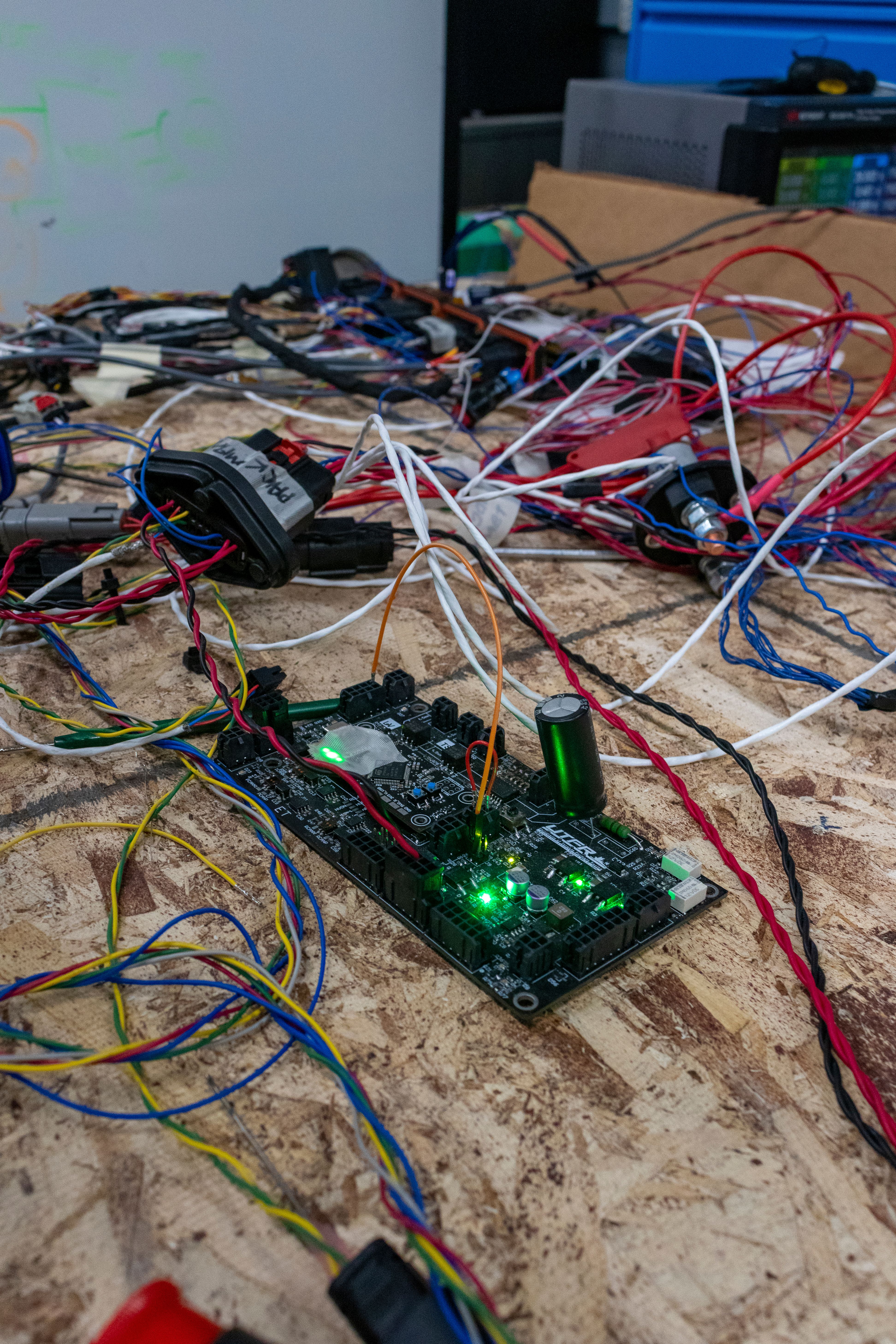
On the electrical side, the low-voltage (LV) team is pushing to complete soldering and PCB testing across key components. The inverters, financially supported by Aston Dynamics, have now been connected to the LV bench, enabling further system validation. Integration efforts are also progressing, with the LV battery and dashboard components set to be incorporated into the bench shortly.
At the same time, the driverless system is currently being integrated with the broader LV architecture, bringing multiple subsystems together as the vehicle continues moving closer to full system functionality.
From Trails to Tracks: Eric Chen on Suspension, Scale, and the shift to 4WD
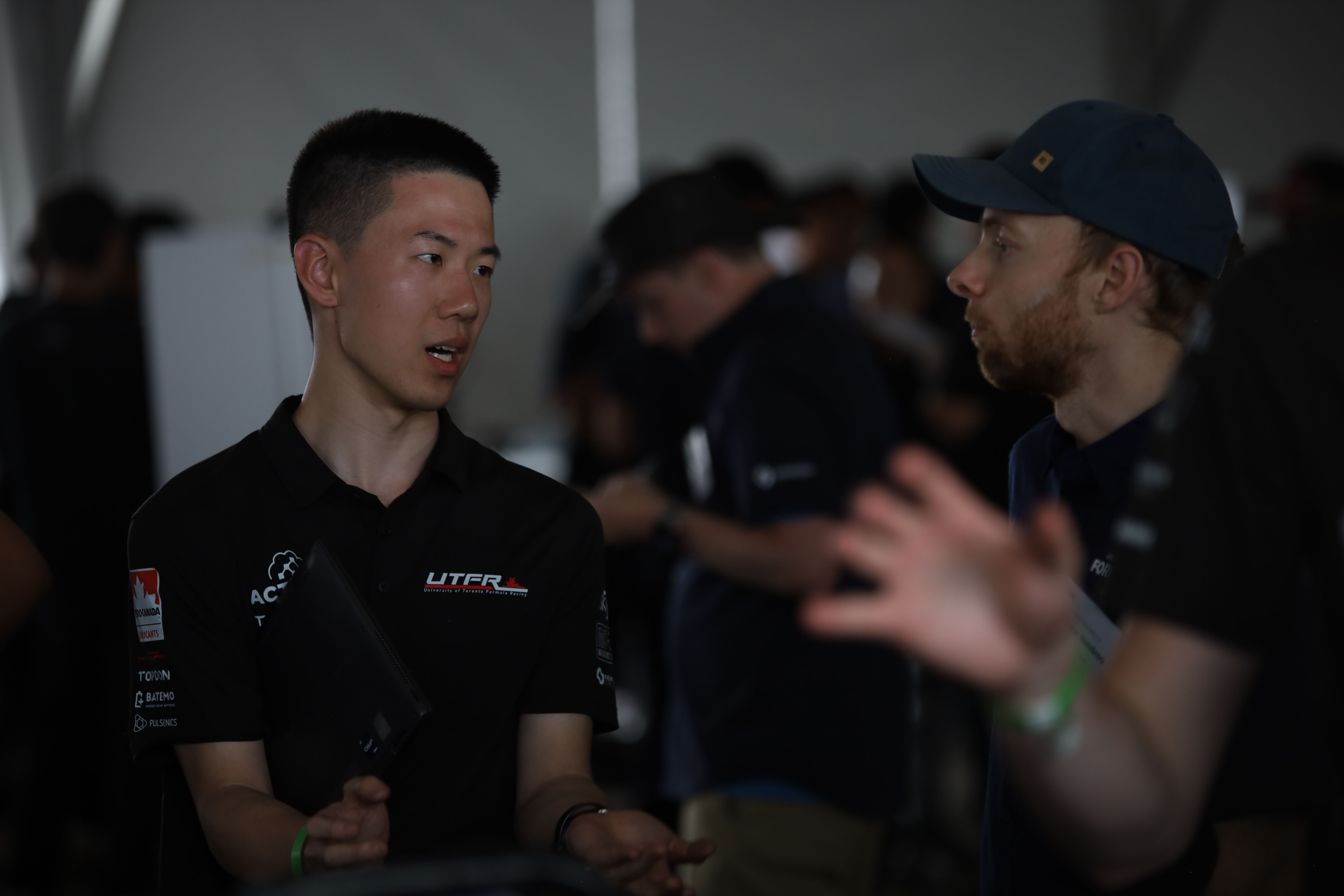
This issue, we sat down with one of UTFR’s most seasoned mechanical designers, Eric Chen. A mainstay of the suspension team now moving into complex powertrain integration, Eric bridges the gap between the gritty reality of the shop floor and the high-level precision of the tech industry. We caught up with him to discuss how a background in mountain biking led to designing world-class formula cars, and why the human element is often the most complex part of any assembly.
The Spark at the Fair
Like many on the team, Eric’s journey began with a moment of disbelief at the University of Toronto’s fall club fair. "I saw the UTFR booth and they had the car there. I was just like, wow, this is incredible," Eric recalls. "I asked them: you guys built this all yourself? I knew right then I wanted to get into this."
While the car was the initial hook, it was the environment that kept him coming back. For Eric, the draw eventually shifted from the machine to the people. He found that working with a group of people who shared the same interests and a high level of ability was incredibly inspiring.
From Handlebars to Hubs
Eric’s transition into the mechanical team was a natural evolution of his own hobbies. As an avid mountain biker, he already spoke the language of dampers and geometry before he ever picked up a wrench in the shop. Since he was already experienced with how suspension works from the biking world, he felt it was a natural fit to move into that area of the car.
However, the club he joined turned out to be much more demanding than his high school experiences. "I never thought of a club where you put in 20, 30, or 40 hours a week" he says. By his second year, Eric was really kicking out the effort, moving from small parts to a total redesign of the front hub and rotor mounts. This season, he’s tackling one of the team's most ambitious projects to date: the gearbox design for the new four-wheel drive system.
“When you’re designing for industry, you’re thinking about the bottom line. Here, we’re designing for the limit.”
The Industry Lens
Currently completing a stint at Deutsche Hydrapro LLC (DHP), Eric has gained a new perspective on what engineering actually means when it scales beyond a single prototype. The transition from the one-off mentality of UTFR to the cost-driven world of mass production was a major shift.
"In industry, you're always thinking about cost. It’s the bottom line for everything," Eric explains. "You shift from asking how to design this one car to asking how you design 100,000 cars. It really changes your perspective on the minimum viable product."
Despite the differences, Eric found that the two worlds feed into each other. He cites his collaboration with teammates like Mackenzie Powell as a highlight of his design process, where different perspectives lead to better results. He enjoys working with people at that tier of design, where they can bounce ideas off each other until the final product is as strong as possible.
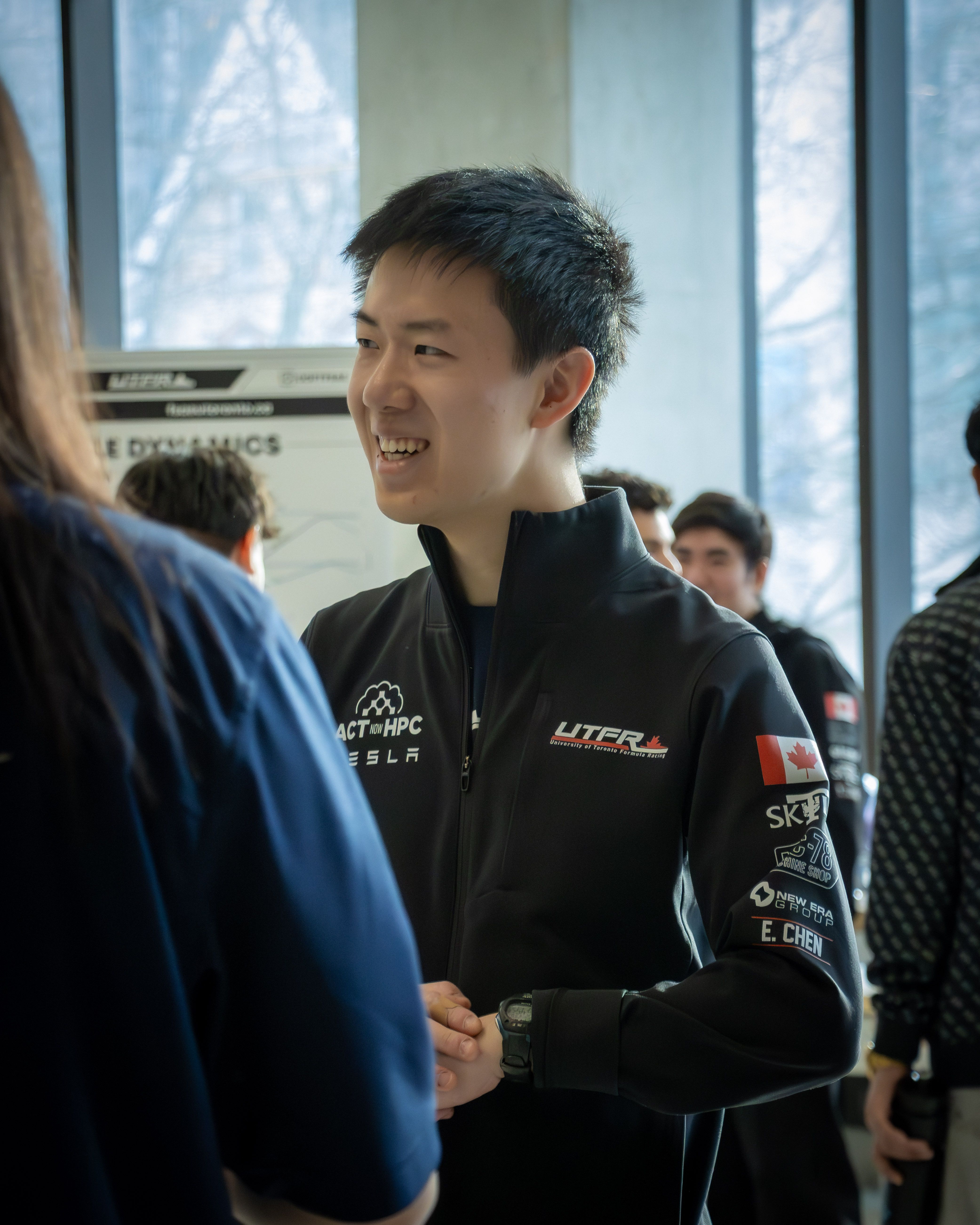
The Human Component
When asked about the most challenging aspect of the team, Eric doesn't point to a specific CAD model or a broken part. Instead, he points to the people. "You think everyone is just here to design a car, but any time you’re in a group setting, you’re going to have interpersonal disagreements," he says. "Learning to resolve those through leadership or one-on-one conversations affects the engineering design more than people realize."
“It’s basically working two full-time jobs. You really have to be efficient because you just can’t fit it all in otherwise.”
Looking Forward
As the team pushes toward the finish line for the current season, Eric is most excited about the leap in complexity represented by the 4WD system. He notes that it is an order of magnitude more complex than anything they have done before, but he is happy to see the design finally flowing together.
Beyond graduation, Eric has his sights set on the upper echelons of consumer technology. He plans to pursue a Master’s before eventually looking toward roles at companies like Apple, NVIDIA, or Tesla. But for now, his focus remains on the shop, UT26’s suspension, and the car being built by a group of dedicated students.
"I couldn’t imagine not being part of it," he says. "It’s just a really cool community to be in."
Learn more about Eric Chen on LinkedIn.
Litens Partnership

We are excited to welcome Litens Automotive Group as a new Diamond Sponsor of the team this season. Litens is a global automotive engineering company headquartered in Vaughan, Ontario, known for designing and manufacturing advanced power transmission and powertrain components used by major vehicle manufacturers around the world. Their technologies, such as belt tensioners and vibration damping systems, help improve vehicle efficiency, durability, and performance across the global transportation industry.
Through both financial support and in-kind sponsorship, Litens is helping enable the team to continue building and competing at the highest level. We are also proud to highlight the connection between our team and the company, with team members Batu Tibet and Mauro De Liberato completing their PEY placements at Litens last year, and Bryan Vu currently continuing that tradition this year. We are incredibly grateful for Litens’ support and look forward to building together this season.
Get Involved
Sponsors
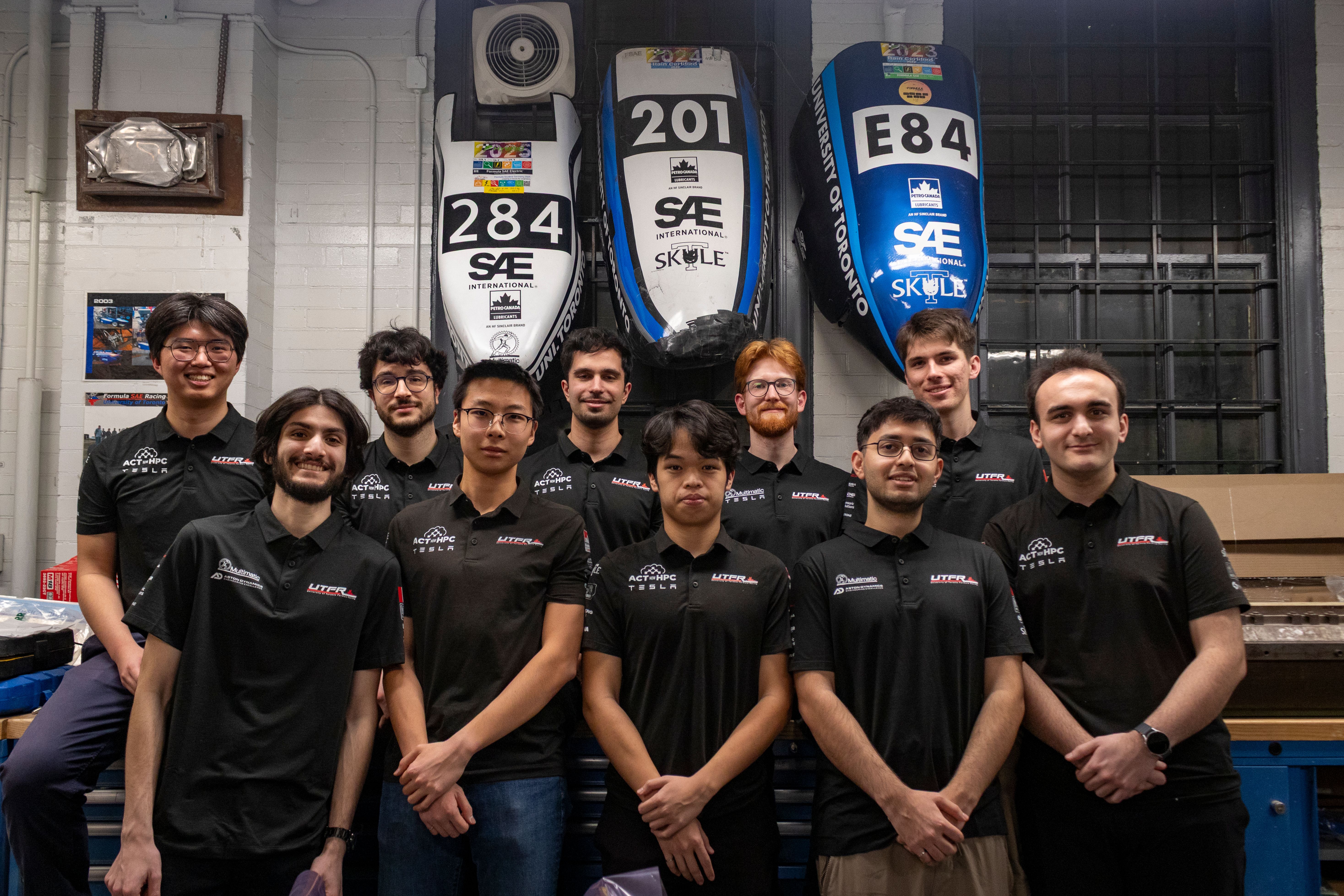
UTFR’s success is made possible by our sponsors – they help us with parts, manufacturing support, design advice, and so much more.
Our 2025/26 sponsorship package is now live. To know more about our offerings and upcoming season events, please reply to this email and we will get back to you.
Recruits
Stay connected by checking the team’s Slack and Instagram for updates on section meetings, upcoming lectures, tasks, and ongoing team activities. This is the best place to stay informed as the season continues to ramp up.
Alumni
Know any UTFR Alumni who would like to keep in touch with our team’s journey? Fill out this form and learn more about our alumni offerings in the next edition.
We're always looking to improve and innovate, both on and off the track. Have any thoughts on this newsletter? Ideas for future content? We want to hear from you!
Reply to this email or connect with us on LinkedIn or Instagram. Your feedback could spark our next big idea or feature in an upcoming issue.
Happy Monday!